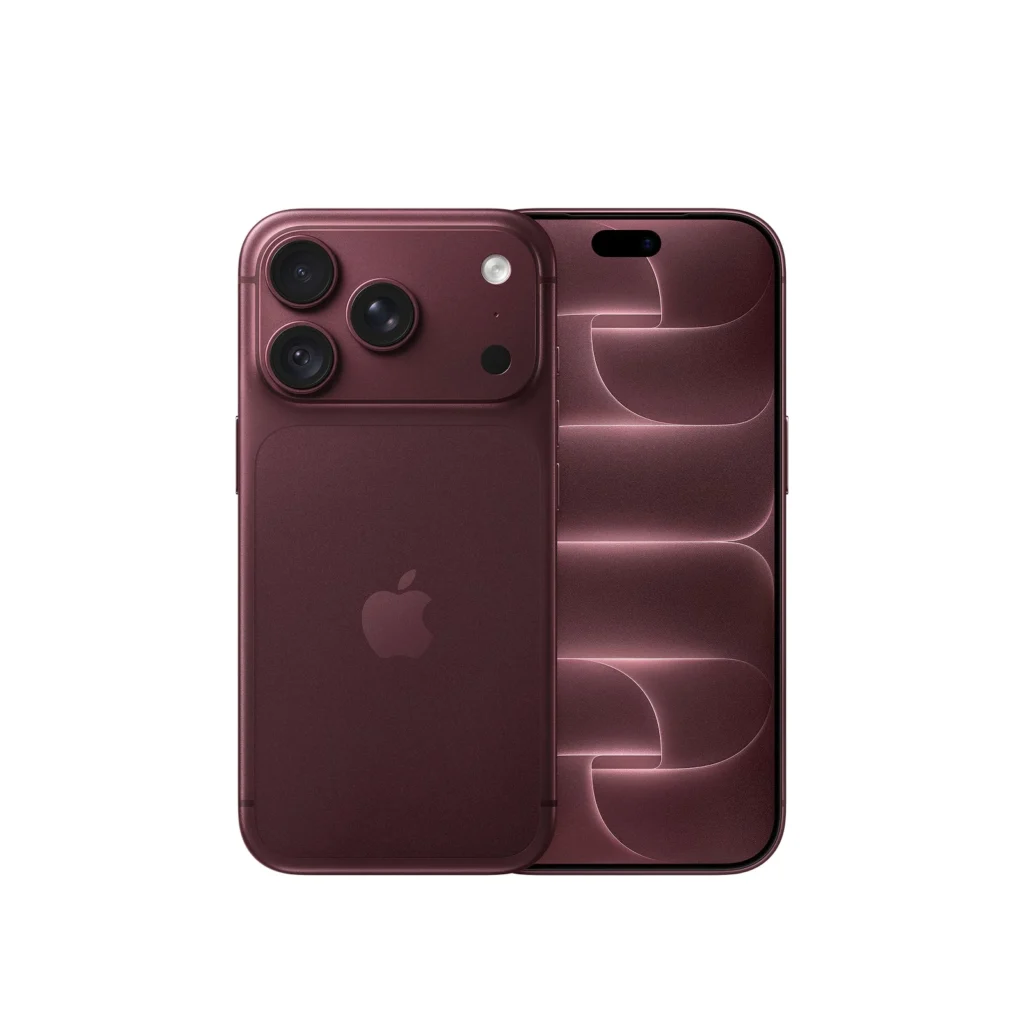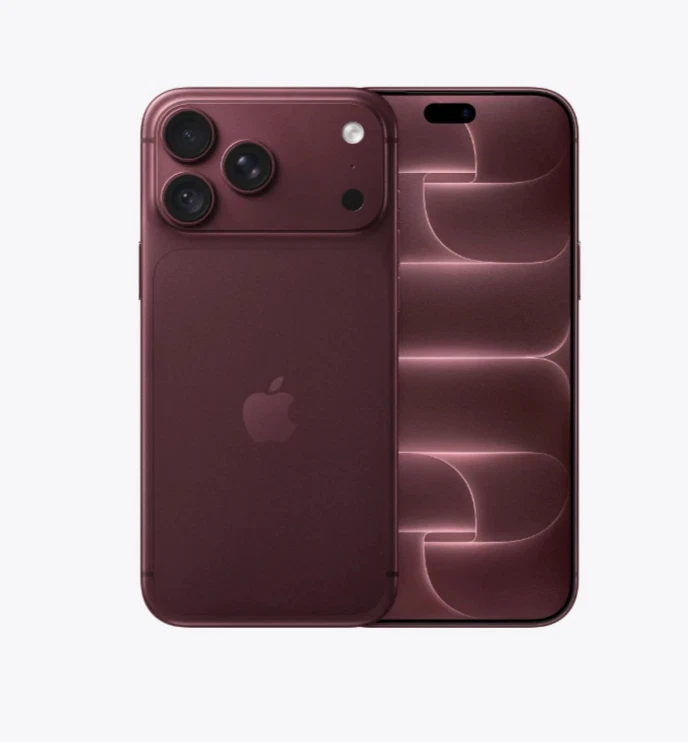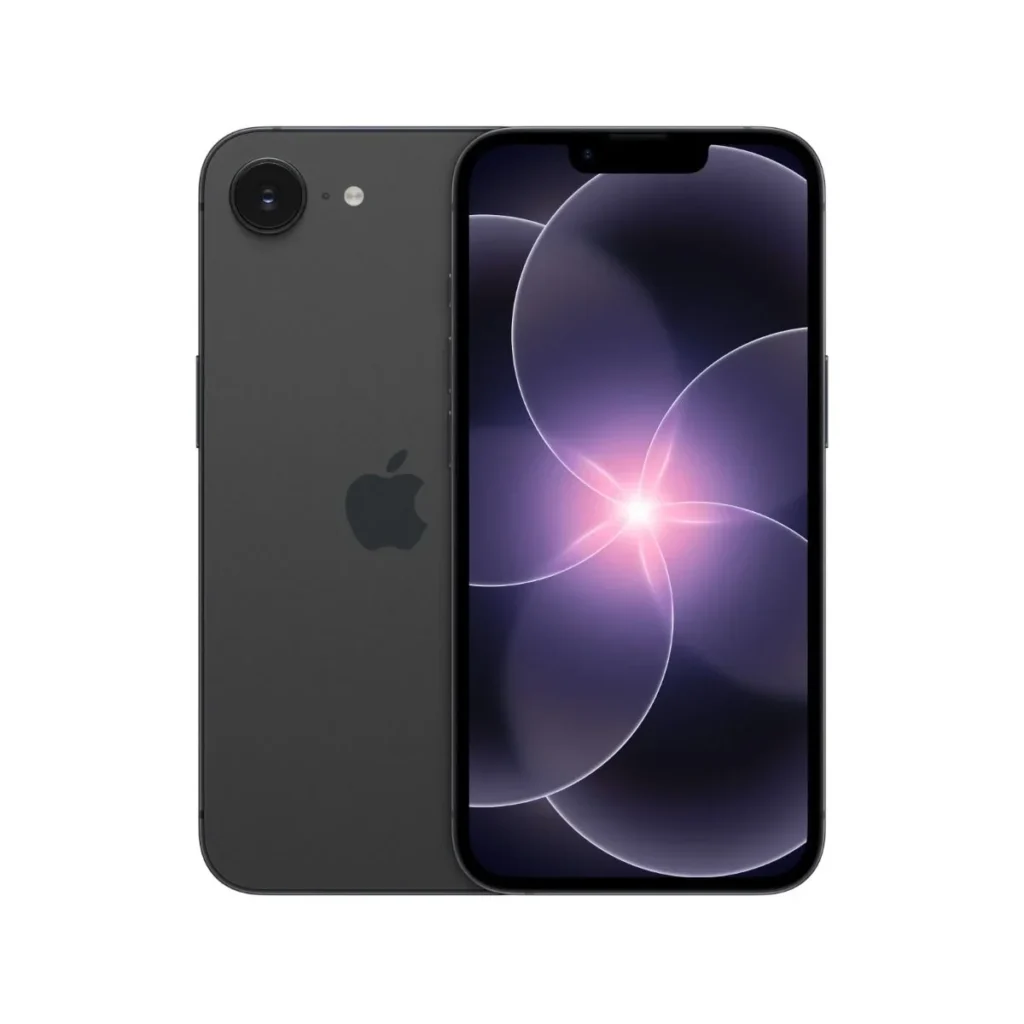
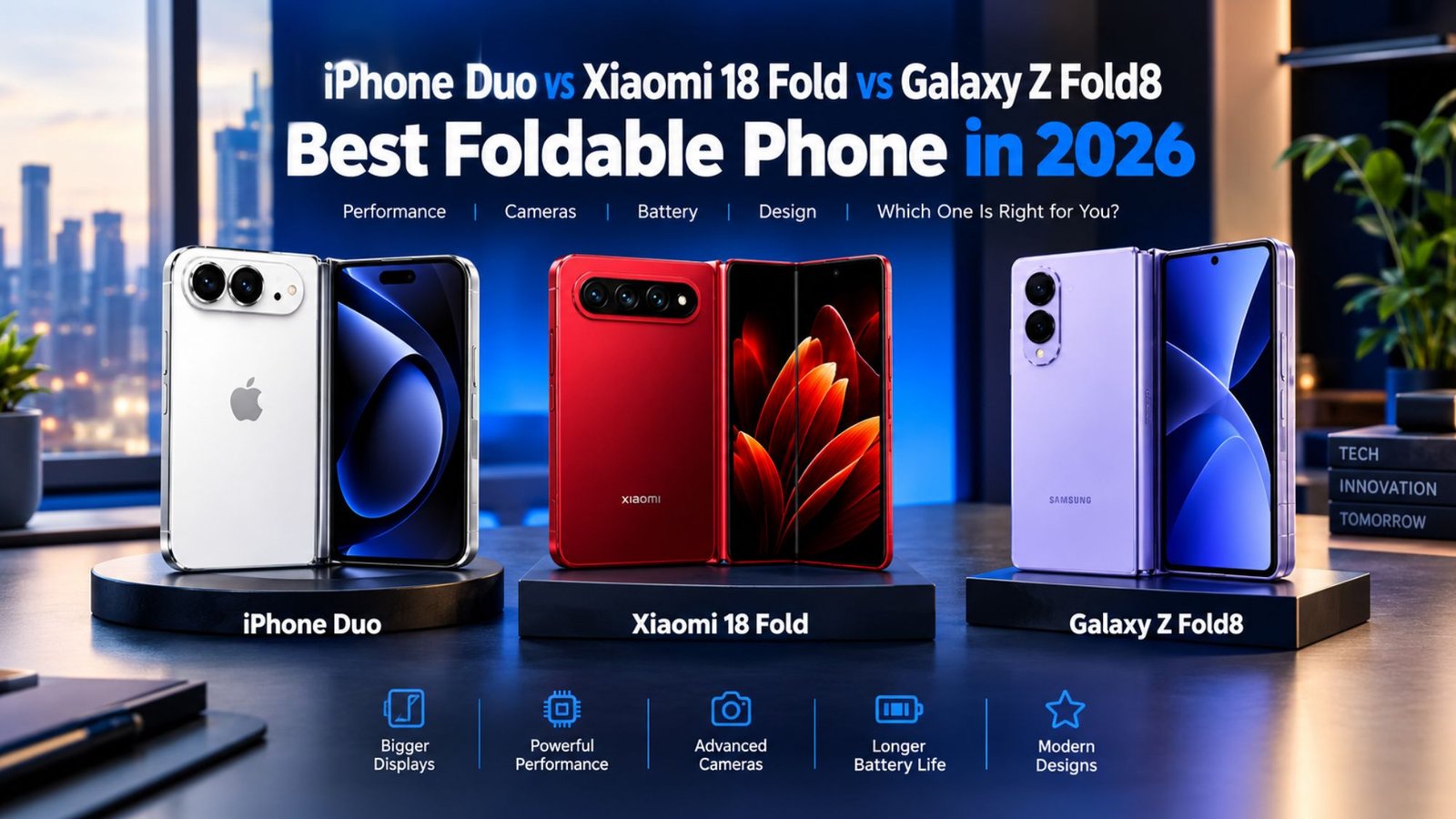
Foldable smartphones have moved from being experimental devices to serious flagship alternatives. In 2026, three phones are attracting major attention: the iPhone Duo, Xiaomi 18 Fold, and Samsung Galaxy Z Fold8.
Each device takes a different approach to the foldable-phone experience. Apple is bringing its ecosystem and custom silicon to a completely new form factor. Xiaomi is pushing aggressive hardware specifications, including a 200MP camera and large battery. Samsung, meanwhile, continues to refine its Galaxy Z Fold series with a lighter design, powerful AI features, and a wider display format.
So, which one should you choose?
Let’s compare the iPhone Duo vs Xiaomi 18 Fold vs Samsung Galaxy Z Fold8 across design, displays, performance, cameras, battery life, software, and overall value.
iPhone Duo vs Xiaomi 18 Fold vs Galaxy Z Fold8 at a Glance
| Feature | iPhone Duo | Xiaomi 18 Fold | Galaxy Z Fold8 |
|---|---|---|---|
| Inner Display | 7.6-inch OLED | 7.58-inch OLED | 7.6-inch |
| Cover Display | 5.4-inch | 5.38-inch | 5.5-inch |
| Refresh Rate | Up to 120Hz | Up to 120Hz | Up to 120Hz |
| Processor | Apple A20 Pro | XRING O3 | Snapdragon 8 Elite Gen 5 for Galaxy |
| RAM | 12GB | 12GB/16GB | Up to 16GB |
| Main Camera | 48MP | 200MP | 50MP |
| Battery | Dual-battery architecture | 6,000mAh | 4,800mAh |
| Starting Price | $1,999 | Around $1,600 in China | Varies by market |
| Software | iOS 27 | Xiaomi HyperOS | One UI |
| Best For | Apple ecosystem | Hardware enthusiasts | Productivity and AI |
Specifications and availability can vary by market. Xiaomi’s international availability should be confirmed before purchase.
1. iPhone Duo: Apple’s First Foldable iPhone
The biggest story in the foldable-phone market in 2026 is undoubtedly the iPhone Duo.
Apple has officially entered the foldable smartphone market with a device designed to combine the familiar iPhone experience with a much larger internal screen.
When unfolded, the iPhone Duo features a 7.6-inch display. When closed, it uses a 5.4-inch outer display. Both screens support Apple’s ProMotion technology with adaptive refresh rates of up to 120Hz.
That makes the iPhone Duo interesting for people who want a large display without carrying both a smartphone and tablet.
Apple has also focused heavily on the physical design. The device uses a titanium foldable construction and measures only 5.2mm when open. It weighs approximately 254 grams.
Performance
The iPhone Duo is powered by Apple’s A20 Pro chip. This gives the device flagship-level processing power while supporting Apple’s approach to on-device intelligence and demanding applications.
For users already invested in Apple’s ecosystem, the biggest advantage may not simply be performance. It is the combination of hardware, iOS, Apple services, accessories, and continuity between devices.
The phone also supports Apple Pencil with USB-C, adding another productivity option for users who want to take notes, sketch, or work on documents.
Camera
The iPhone Duo features a dual 48MP rear-camera system. Apple is also using the foldable design to introduce new ways of taking photographs and videos.
This could make the Duo particularly interesting for creators who want a large preview screen while shooting.
Who should buy the iPhone Duo?
The iPhone Duo is likely to appeal most to:
- iPhone users upgrading to a foldable
- Apple ecosystem users
- Mobile professionals
- Content creators
- People who want iOS on a large foldable display
Its biggest drawback is price. With a starting price of $1,999, it is firmly positioned as a premium device.
2. Xiaomi 18 Fold: Hardware Powerhouse
If the iPhone Duo represents Apple’s entrance into foldables, the Xiaomi 18 Fold represents aggressive competition from the Android side.
The Xiaomi 18 Fold features a 7.58-inch internal display and a 5.38-inch cover display. Both screens support refresh rates of up to 120Hz.
The result is a device designed for people who want a wide, tablet-like screen without giving up the convenience of a conventional smartphone.
Performance
One of the most interesting aspects of the Xiaomi 18 Fold is its processor.
The device uses Xiaomi’s XRING O3 chipset and can be configured with 12GB or 16GB of RAM, depending on the model.
That gives Xiaomi a strong specification sheet for multitasking, gaming, content creation, and demanding applications.
For buyers who prioritize raw hardware specifications, the Xiaomi 18 Fold immediately becomes a serious contender.
200MP Camera
Photography is another major selling point.
The Xiaomi 18 Fold features a 200MP main camera, supported by a Leica-branded camera system.
A 200MP sensor does not automatically mean better photos than a 50MP or 48MP camera. However, it gives Xiaomi considerable flexibility for image processing, cropping, and capturing detailed photographs.
Battery Advantage
The Xiaomi 18 Fold also has one of the largest batteries among these three devices.
It packs a 6,000mAh battery, alongside support for fast wired and wireless charging.
That could make it particularly attractive to heavy users who spend long hours watching videos, gaming, browsing, or working from their phones.
The major consideration, however, is availability. Current reports indicate that the Xiaomi 18 Fold launched in China, while wider international availability remains uncertain.
3. Samsung Galaxy Z Fold8: The Refined Foldable
Samsung has been developing foldable smartphones for years, and the Galaxy Z Fold8 shows how much the category has matured.
Rather than simply adding more specifications, Samsung has focused on making the foldable experience more practical.
The Galaxy Z Fold8 features a 5.5-inch cover display and a 7.6-inch main display. Samsung has also redesigned the proportions to make the phone more comfortable for browsing, watching content, and multitasking.
Performance and Galaxy AI
The Galaxy Z Fold8 is powered by the Snapdragon 8 Elite Gen 5 for Galaxy processor.
Samsung has optimized the device around multitasking and Galaxy AI, making the large internal display particularly useful for productivity.
You can research information, watch videos, edit content, use multiple applications, and work with AI features without constantly switching between devices.
Samsung also offers up to 1TB of storage, giving power users plenty of room for photographs, videos, applications, and documents.
Camera System
The Galaxy Z Fold8 features a dual 50MP wide and ultra-wide camera system.
While Xiaomi wins the megapixel battle on paper with its 200MP sensor, Samsung takes a more balanced approach to its camera hardware and software.
The Fold8 is therefore positioned as an all-rounder rather than simply a camera-specification champion.
Battery and Design
Samsung has also made significant progress with the physical design.
The Galaxy Z Fold8 weighs approximately 201 grams, making it considerably lighter than the 254-gram iPhone Duo. It also has a 4,800mAh battery and supports up to 26 hours of video playback under Samsung’s stated testing conditions.
For people who use their phone throughout the day, this combination of lighter weight and strong battery endurance could make a noticeable difference.



Samsung Galaxy Z Fold 8 Single SIM + eSim (256GB / 512GB / 1TB) – 5G
Which Foldable Phone Should You Buy?
The answer depends on what matters most to you.
Choose the iPhone Duo if you want:
- iOS and the Apple ecosystem
- A premium foldable design
- A large 7.6-inch display
- Apple Intelligence and iOS 27
- Apple Pencil support
- Strong integration with other Apple devices
The iPhone Duo is the most obvious choice for someone already heavily invested in Apple products.
Choose the Xiaomi 18 Fold if you want:
- Aggressive hardware specifications
- A 200MP camera
- Up to 16GB RAM
- A large 6,000mAh battery
- Fast charging
- A potentially lower starting price
Xiaomi’s approach is particularly appealing to technology enthusiasts who want maximum hardware for their money.
Choose the Galaxy Z Fold8 if you want:
- A mature foldable experience
- Excellent multitasking
- Galaxy AI
- A lighter foldable design
- Strong productivity features
- Wide availability and Samsung’s established ecosystem
Samsung’s biggest advantage is experience. The company has spent years refining its foldable devices, and the Fold8 benefits from that development.
Final Verdict
The iPhone Duo, Xiaomi 18 Fold, and Samsung Galaxy Z Fold8 demonstrate just how competitive the foldable smartphone market has become in 2026.
The iPhone Duo brings Apple’s ecosystem, A20 Pro performance, and iOS to a completely new form factor. Xiaomi’s 18 Fold focuses on impressive hardware, including a 200MP camera, XRING O3 processor, and 6,000mAh battery. Samsung’s Galaxy Z Fold8 takes a more refined approach, combining a lighter design with powerful performance, multitasking, cameras, and Galaxy AI.
There is no single winner for everyone.
For Apple users, the iPhone Duo is the most compelling option. For hardware enthusiasts, the Xiaomi 18 Fold is extremely attractive. For productivity and an established foldable ecosystem, the Galaxy Z Fold8 remains one of the strongest choices.
Before buying any of these devices in Nigeria, however, check the official local pricing, warranty, storage configuration, network compatibility, and availability. Foldable phones are premium products, so after-sales support is just as important as specifications.
As the category continues to grow, one thing is clear: 2026 could be the year foldable smartphones finally move from niche luxury devices into the mainstream flagship market.