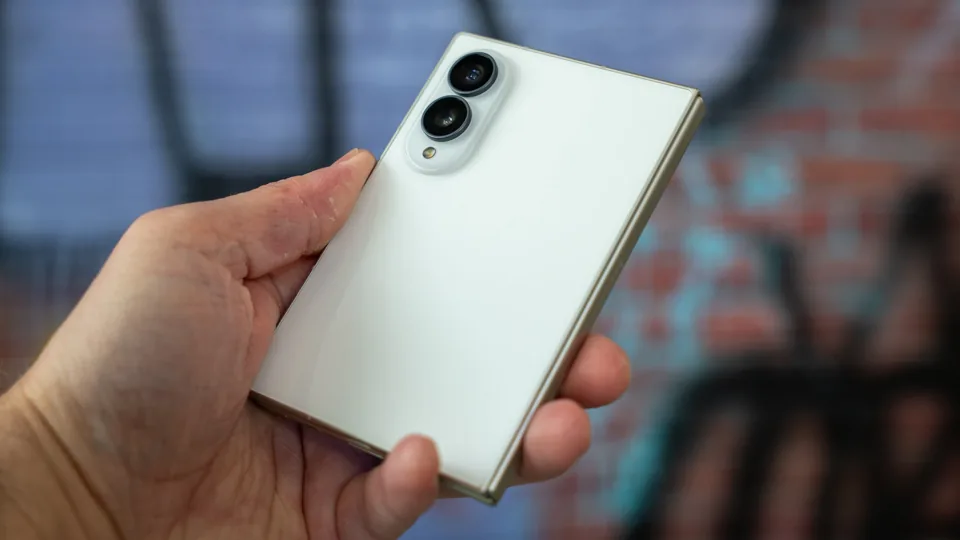
Samsung has taken a noticeably different approach with the Galaxy Z Fold 8. Rather than simply making the previous-generation Fold thinner and faster, the company has changed the shape of the standard model, giving it a wider, more compact design that feels closer to a passport than a traditional tall smartphone.
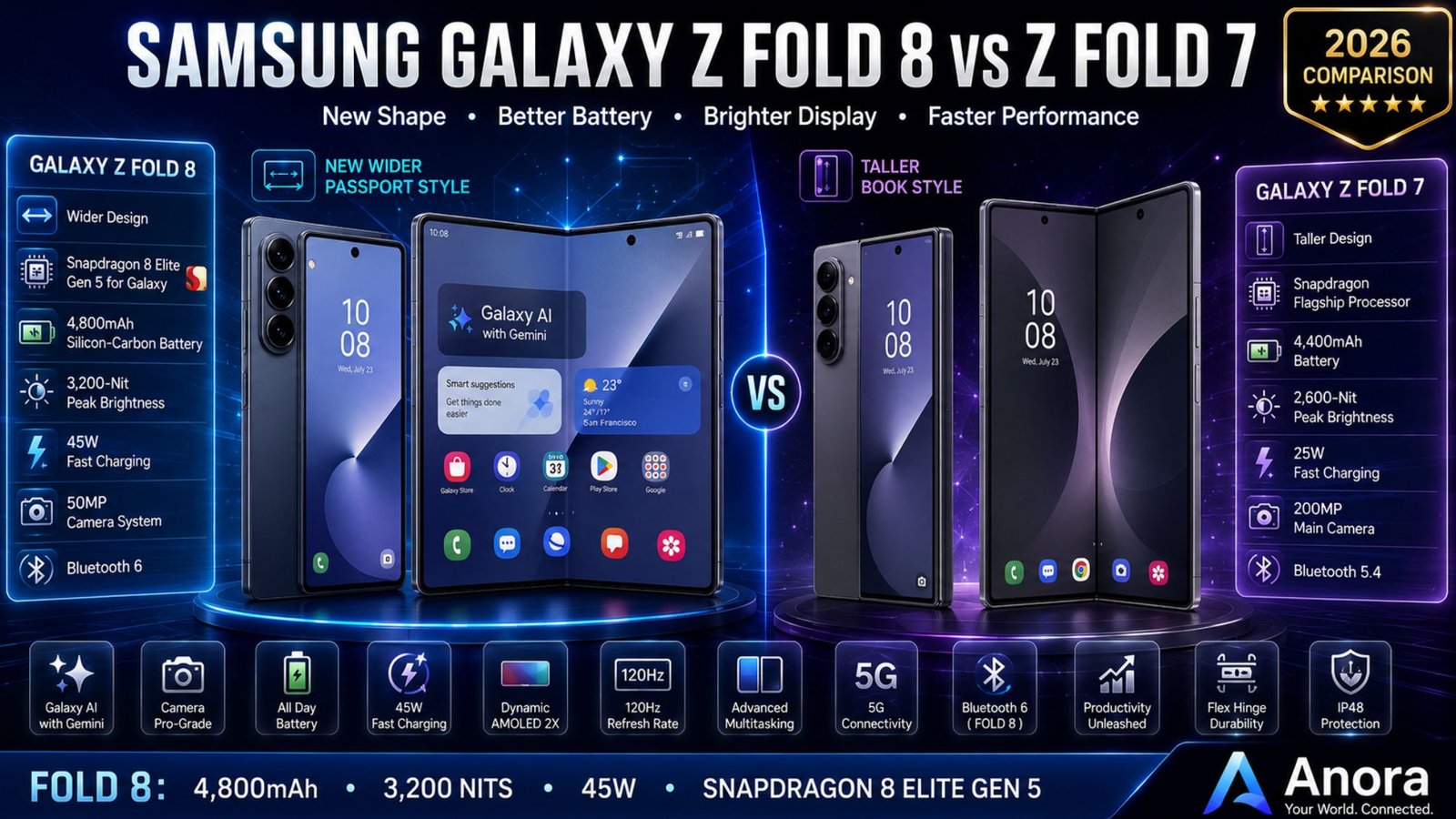
That makes the Samsung Galaxy Z Fold 8 vs Z Fold 7 comparison particularly interesting. The newer model brings a Snapdragon 8 Elite Gen 5 processor, brighter displays, a larger silicon-carbon battery, faster charging, improved connectivity, and a redesigned form factor.
However, the Z Fold 8 also makes an important compromise: its main camera drops from the 200MP sensor found on the Z Fold 7 to a 50MP sensor.
So, is the Galaxy Z Fold 8 actually a better phone, or is the discounted Z Fold 7 the smarter buy?
Let’s break down the biggest differences.
Samsung Galaxy Z Fold 8 vs Z Fold 7: Key Differences
| Feature | Galaxy Z Fold 8 | Galaxy Z Fold 7 |
|---|---|---|
| Design | Wider, passport-style | Taller, slimmer design |
| Folded thickness | 0.38 inches | 0.35 inches |
| Unfolded thickness | 0.18 inches | 0.17 inches |
| Weight | 7.09 oz | 7.58 oz |
| Cover display | 5.5-inch FHD+ AMOLED | 6.5-inch AMOLED |
| Main display | 7.6-inch QXGA+ AMOLED | 8-inch AMOLED |
| Refresh rate | 120Hz | 120Hz |
| Peak brightness | 3,200 nits | 2,600 nits |
| Processor | Snapdragon 8 Elite Gen 5 for Galaxy | Previous-generation processor |
| RAM | 12GB / up to 16GB | 12GB / up to 16GB |
| Main camera | 50MP | 200MP |
| Ultra-wide | 50MP | Previous-generation ultra-wide |
| Battery | 4,800mAh | 4,400mAh |
| Wired charging | 45W | 25W |
| Connectivity | Wi-Fi 7, Bluetooth 6, 5G | Wi-Fi 7, Bluetooth 5.4, 5G |
| Software | Android 17 + One UI 9 | Android + One UI |
| Water/dust resistance | IP48 | IP48 |
| Starting price | $1,899 | $1,999 at launch |
Price: The Galaxy Z Fold 8 Starts Lower
One of the more surprising aspects of this comparison is the starting price.
The Galaxy Z Fold 8 starts at $1,899 for 256GB of storage and 12GB of RAM. That’s $100 less than the Galaxy Z Fold 7’s $1,999 launch price for a comparable configuration.
That sounds like an immediate win for the newer phone.
However, the Z Fold 7 becomes more interesting when you consider current pricing and higher-storage configurations. As the previous-generation model, it may be available at significant discounts, particularly as retailers clear remaining inventory.
The Z Fold 8 also introduces a new lineup structure, with the more expensive Z Fold 8 Ultra positioned above it.
Winner: Galaxy Z Fold 8 for launch value; Galaxy Z Fold 7 for potential discounts
Design: The Galaxy Z Fold 8 Changes the Formula
The biggest difference between the two phones is immediately obvious.
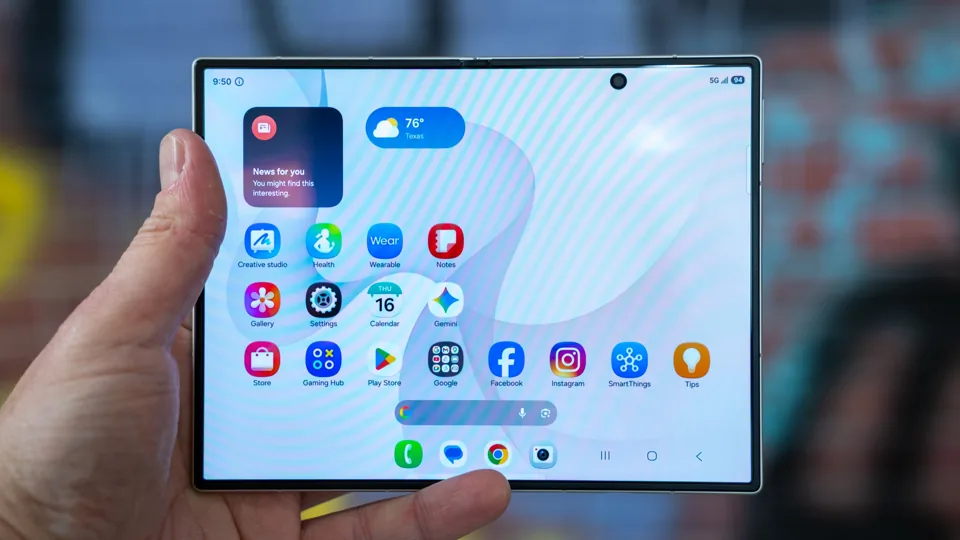
The Galaxy Z Fold 7 uses Samsung’s familiar tall and narrow book-style design. The Z Fold 8 moves toward a wider, squarer passport-style form factor.
When unfolded, the Galaxy Z Fold 8 measures approximately 4.88 x 6.35 x 0.18 inches. Folded, it measures approximately 4.88 x 3.22 x 0.38 inches.
It also weighs 7.09 ounces, compared with 7.58 ounces for the Z Fold 7.
Despite the wider body, Samsung has continued to focus on making the Fold lighter and thinner.
Durability has also received attention. The Z Fold 8 uses a new Flex Titanium structure with a dual-rail hinge designed to distribute folding stress more evenly. The phone also uses Advanced Armor Aluminum and Gorilla Glass Ceramic 3 on the cover.
Both generations carry an IP48 rating for dust and water protection.
The major question is whether you’ll prefer the new wider shape. The Z Fold 8 is designed to provide a more conventional experience when consuming content on its internal display, while the Z Fold 7’s taller design emphasizes vertical productivity.
Winner: Galaxy Z Fold 8
Display: Smaller, Wider and Brighter
The display changes are another major reason to consider the newer model.
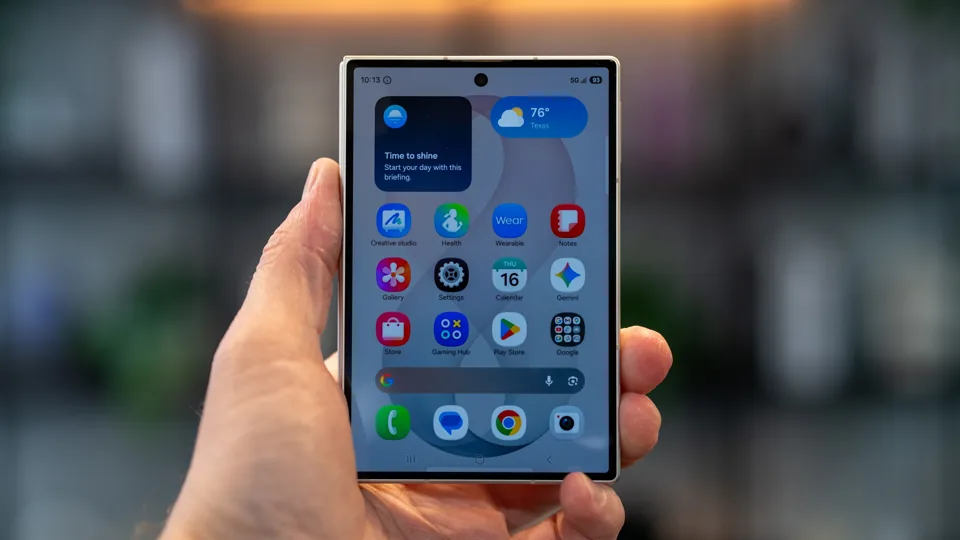
The Galaxy Z Fold 7 features an 8-inch internal display and a 6.5-inch cover display. The Z Fold 8 reduces those dimensions to a 7.6-inch internal screen and 5.5-inch cover display.
At first glance, that might look like a downgrade.
But Samsung has changed the aspect ratio significantly. The Z Fold 8’s internal screen adopts a wider 4:3 format, making it more suitable for video and general content consumption.
Both displays support a 120Hz variable refresh rate, while peak brightness increases from 2,600 nits on the Fold 7 to 3,200 nits on the Fold 8.
That higher brightness should make the new Fold considerably easier to view outdoors.
Samsung has also redesigned the internal display using a dual-layer glass architecture intended to reduce the appearance of the crease by around 20%.
The crease hasn’t disappeared completely, but it should be less noticeable.
Winner: Galaxy Z Fold 8
Performance: Snapdragon 8 Elite Gen 5 Takes the Lead
Performance is an easy win for the Galaxy Z Fold 8.
The new foldable is powered by the Qualcomm Snapdragon 8 Elite Gen 5 for Galaxy, putting it among the most powerful Android smartphones of 2026.
The phone comes with 12GB of RAM on the standard configurations, with a higher-end 1TB model expected to offer 16GB of RAM.
The Z Fold 7 remains powerful, but its older processor can’t match the newer chipset’s performance and efficiency.
For demanding users, the difference should be most noticeable when running multiple applications simultaneously, editing photos and videos, playing demanding games, and using AI-powered features.
Samsung’s Fold series has always been heavily focused on multitasking, and the additional processing power should make the Z Fold 8 particularly well suited to that role.
Winner: Galaxy Z Fold 8
Connectivity: Bluetooth 6 and Wi-Fi 7
Samsung has also upgraded connectivity.
Both phones support 5G and Wi-Fi 7, but the Galaxy Z Fold 8 moves to Bluetooth 6, compared with Bluetooth 5.4 on the Z Fold 7.
Samsung has also improved eSIM migration and enhanced Quick Share functionality, including compatibility with Apple’s AirDrop ecosystem as described in the source material.
These aren’t necessarily reasons alone to upgrade, but they contribute to making the Z Fold 8 a more modern and future-ready device.
Winner: Galaxy Z Fold 8
Battery Life: A Major Upgrade
Battery life has historically been one of the biggest compromises with foldable smartphones.
Samsung addresses that directly with the Galaxy Z Fold 8.
The new phone features a 4,800mAh silicon-carbon battery, compared with the 4,400mAh battery in the Z Fold 7.
That’s a meaningful increase, especially when combined with the efficiency improvements of the Snapdragon 8 Elite Gen 5.
Samsung has also increased wired charging from 25W to 45W.
For users who rely on their phone throughout the day, this is one of the most meaningful upgrades between generations.
The larger battery should provide additional endurance, while 45W charging means less time connected to a charger when you need a quick top-up.
Winner: Galaxy Z Fold 8
Cameras: The Z Fold 7 Has the Advantage
This is where the Galaxy Z Fold 8 becomes more complicated.
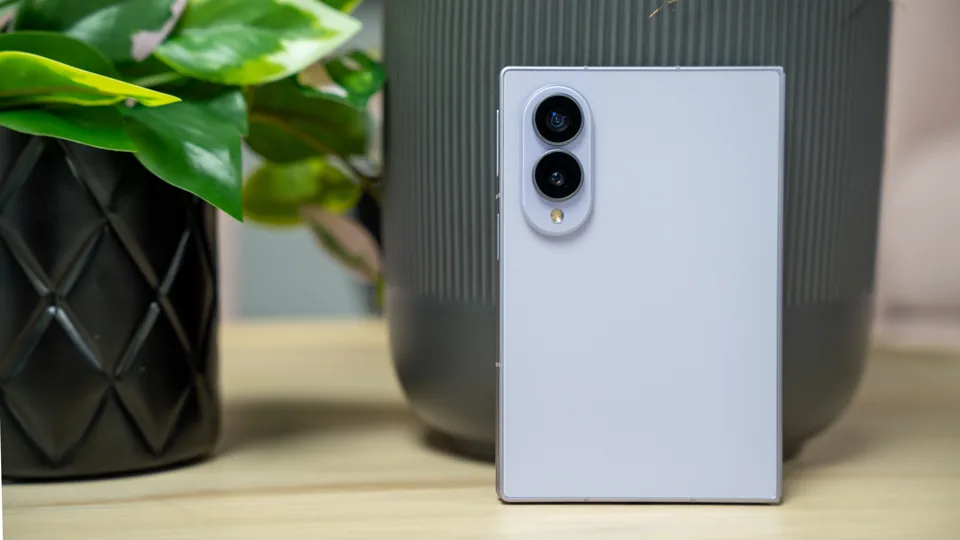
The Galaxy Z Fold 7 features a 200MP main camera, while the standard Z Fold 8 switches to a 50MP main camera.
Samsung appears to be reserving the 200MP camera for the more expensive Z Fold 8 Ultra.
The Z Fold 8 does, however, feature a 50MP ultra-wide camera, providing a strong setup for landscape photography, group shots, and other wide-angle scenes.
But if camera specifications are a major factor in your purchasing decision, the Z Fold 7’s 200MP main sensor remains an important advantage.
This is one of the unusual situations where the newer generation isn’t automatically better.
Winner: Galaxy Z Fold 7
Software and Galaxy AI
The Galaxy Z Fold 8 launches with Android 17 and One UI 9, continuing Samsung’s strategy of combining Google’s latest Android platform with its own software layer.
One UI 9 brings new features and interface improvements, while Samsung is also placing significant emphasis on AI.
Google Gemini is particularly important on the new Fold. Rather than simply acting as a conventional voice assistant, the newer implementation is designed to work across applications and understand more contextual information (Samsung Galaxy Z Fold 8 vs Z Fold 7).
For example, AI can help with cross-app workflows and multitasking tasks, making the large internal display even more useful.
However, software isn’t necessarily a reason for Z Fold 7 owners to upgrade immediately. Many of the newer software features are expected to make their way to the previous-generation model through updates.
Winner: Tie
Galaxy Z Fold 8 vs Z Fold 7: Which Is Better for Multitasking?
Both phones are excellent multitasking devices, but they approach the experience differently.
The Z Fold 7’s larger 8-inch display gives you more physical screen real estate, making it excellent for documents, spreadsheets, browsing and productivity.
The Z Fold 8’s wider 7.6-inch display, however, has a more conventional aspect ratio.
This can make video content feel more natural and reduce some of the compromises associated with extremely tall foldable screens.
If you frequently use split-screen apps, Samsung Notes, browsers, messaging applications and productivity tools simultaneously, both phones are excellent choices.
The best option ultimately depends on whether you prefer the larger, taller Fold 7 display or the wider Fold 8 layout.
Galaxy Z Fold 8 vs Z Fold 7: Pros and Cons
Galaxy Z Fold 8 Pros
- Wider and more modern passport-style design
- Lighter than the Z Fold 7
- Snapdragon 8 Elite Gen 5 for Galaxy
- Brighter 3,200-nit displays
- Reduced crease visibility
- Larger 4,800mAh battery
- Faster 45W wired charging
- Bluetooth 6
- Android 17 and One UI 9
- Advanced Galaxy AI and Gemini features
- Lower launch price than the Z Fold 7
Galaxy Z Fold 8 Cons
- Main camera drops from 200MP to 50MP
- Smaller internal display
- Smaller cover display
- Design may not appeal to existing Fold users
- Still extremely expensive
- Z Fold 7 owners may not see enough reason to upgrade
Galaxy Z Fold 7 Pros
- Excellent 8-inch internal display
- 6.5-inch cover display
- 200MP main camera
- Slim and lightweight design
- Mature foldable form factor
- Strong multitasking experience
- Potentially significant discounts
Galaxy Z Fold 7 Cons
- Older processor
- Smaller 4,400mAh battery
- Slower 25W charging
- Lower 2,600-nit peak brightness
- Older Bluetooth standard
- Less refined crease reduction
Which Samsung Galaxy Z Fold Should You Buy?
The answer depends largely on what you value most.
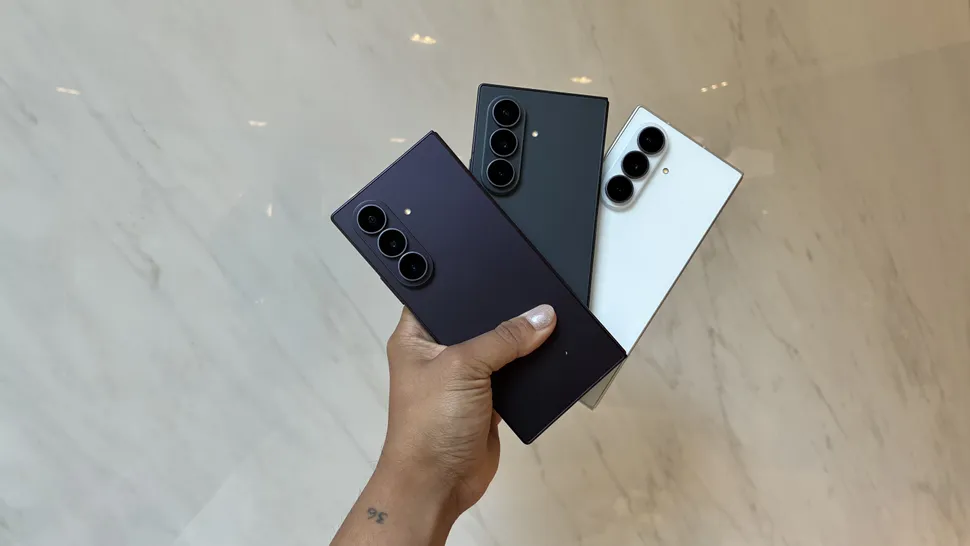
Buy the Galaxy Z Fold 8 if you want the latest Samsung foldable, a wider form factor, better performance, brighter displays, longer battery life and faster charging. It is also the better choice if you’re buying your first Galaxy Fold and prefer a more conventional internal screen.
Buy the Galaxy Z Fold 7 if you prioritize cameras, prefer its taller design, want the larger 8-inch internal display, or can find it at a substantial discount.
For existing Z Fold 7 owners, upgrading is less straightforward. The Z Fold 8 is better in several technical areas, but the experience isn’t radically different.
The biggest reason to upgrade is actually the new shape.
If you love the wider passport-style design, the Z Fold 8 could feel like a major change. If you prefer the Z Fold 7’s taller format, the newer phone may not feel like an obvious upgrade.
Expert Verdict
The Samsung Galaxy Z Fold 8 vs Z Fold 7 comparison doesn’t produce a completely one-sided winner.
The Galaxy Z Fold 8 is clearly the more advanced smartphone. It has a newer processor, brighter screens, a larger battery, faster charging, newer connectivity standards and a redesigned form factor.
However, Samsung has also made compromises.
The 50MP main camera is a notable step down from the Z Fold 7’s 200MP sensor, while the internal display is smaller. For some users, those changes may outweigh the improvements elsewhere.
For new buyers, the Z Fold 8 is the more compelling choice if you want Samsung’s newest foldable experience.
For existing Z Fold 7 owners, however, the upgrade decision is much harder.
Our overall pick: Galaxy Z Fold 8, particularly for new buyers who want the latest hardware and wider foldable design.
But if photography is your priority—or you find the Z Fold 7 at a significantly lower price—the previous generation remains an excellent option.
Frequently Asked Questions
Overall, yes. The Z Fold 8 offers a newer Snapdragon processor, brighter displays, a larger battery, faster charging, improved connectivity and a redesigned form factor. However, the Z Fold 7 has the advantage in main-camera resolution.
No. According to the source material, the standard Galaxy Z Fold 8 uses a 50MP main camera. The 200MP camera is reserved for the Galaxy Z Fold 8 Ultra.
The difference is very small. The Z Fold 8 is approximately 0.18 inches thick unfolded and 0.38 inches folded, compared with 0.17 and 0.35 inches respectively for the Z Fold 7.
The Galaxy Z Fold 8 has the larger battery at 4,800mAh, compared with 4,400mAh on the Z Fold 7.
Yes. The Galaxy Z Fold 8 supports 45W wired charging, compared with 25W on the Z Fold 7.
It depends on what you mean by better. The Z Fold 8 has smaller displays but reaches up to 3,200 nits and uses a wider internal format. The Z Fold 7 has a larger 8-inch internal display.
Not necessarily. The Z Fold 8 is more powerful and has better battery and charging performance, but the upgrade is less compelling if you already like the Z Fold 7’s design and camera.
Final Conclusion
The Galaxy Z Fold 8 represents a significant change in Samsung’s foldable strategy.
Rather than simply refining the Z Fold 7, Samsung has created a wider, lighter and more compact Fold designed to improve everyday content consumption while maintaining the productivity advantages of a large foldable display.
Its Snapdragon 8 Elite Gen 5 processor, 4,800mAh silicon-carbon battery, 45W charging, 3,200-nit displays, Bluetooth 6 and One UI 9 make it a powerful flagship for 2026.
But the Z Fold 7 shouldn’t be dismissed. Its 200MP main camera and larger 8-inch internal display remain compelling advantages, especially if you can find the older model at a significant discount.
Ultimately, the choice comes down to priorities.
If you want newer hardware, better battery life, brighter screens and the new wider design, choose the Galaxy Z Fold 8.
If you want the 200MP camera, larger internal display and potentially better value, the Galaxy Z Fold 7 remains worth considering.
For shoppers looking to upgrade their Galaxy ecosystem, Anora is a great place to explore the latest smartphones, wearables and accessories.