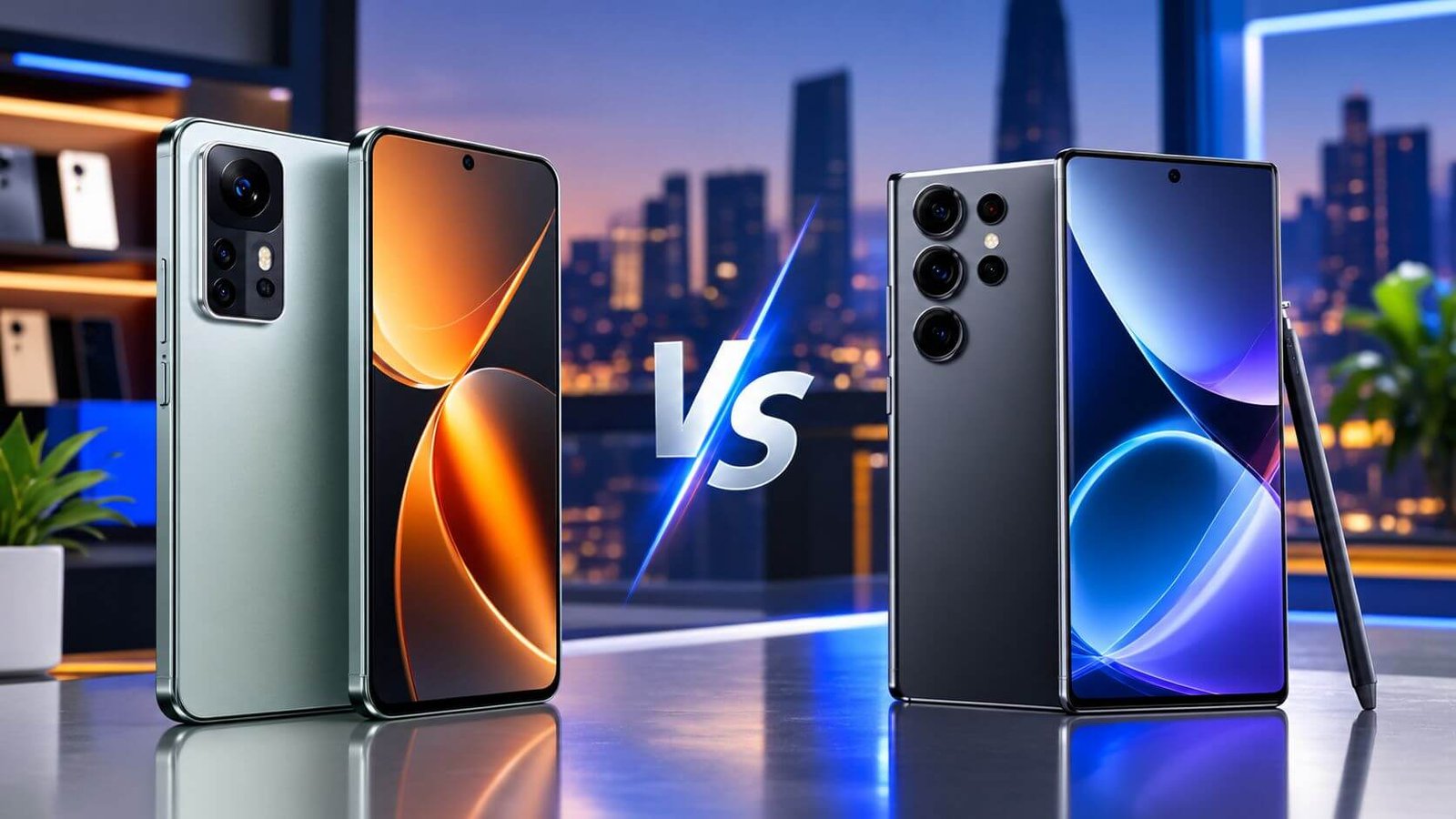
Choosing between Xiaomi and Samsung can be difficult, especially when both brands offer smartphones across budget, midrange and flagship categories. In Nigeria, the decision often comes down to more than specifications. Price, battery life, camera quality, software experience, durability, after-sales support and availability can all affect which phone makes sense for you.
So, Xiaomi vs Samsung: which Android phone brand is better in Nigeria?
The answer depends on what you want from your smartphone.
Xiaomi’s Nigerian lineup includes Redmi phones, Xiaomi T-series models and other devices covering several price segments. Samsung offers its Galaxy A, Galaxy S and Galaxy Z families, giving buyers options ranging from everyday smartphones to premium flagships and foldables.
This guide compares Xiaomi and Samsung across the features that matter most to Nigerian smartphone buyers.
Xiaomi vs Samsung at a Glance
| Feature | Xiaomi | Samsung |
|---|---|---|
| Budget options | Redmi range covers multiple price points | Galaxy A series |
| Midrange phones | Redmi Note and Xiaomi T series | Galaxy A series and selected Galaxy S models |
| Flagships | Xiaomi T series and flagship Xiaomi models | Galaxy S series |
| Foldables | Xiaomi MIX Flip and selected foldable models | Galaxy Z Fold and Z Flip |
| Camera focus | Strong hardware and selected Leica-powered models | Strong computational photography and Galaxy AI features |
| Charging | Many models emphasize fast charging | Generally more conservative charging speeds |
| Battery | Large batteries are common across Redmi models | Strong all-day battery options across Galaxy |
| Software | Xiaomi HyperOS | Samsung One UI |
| Long-term updates | Varies by model | Strong long-term support on newer Galaxy devices |
| Ecosystem | Xiaomi phones, tablets, wearables and smart devices | Galaxy phones, tablets, watches, Buds and other devices |
The specifications above vary considerably by model, so a direct phone-to-phone comparison is more useful than comparing the brands as a whole.
Xiaomi vs Samsung: Price and Value in Nigeria
Price is one of the biggest considerations when buying a smartphone in Nigeria.
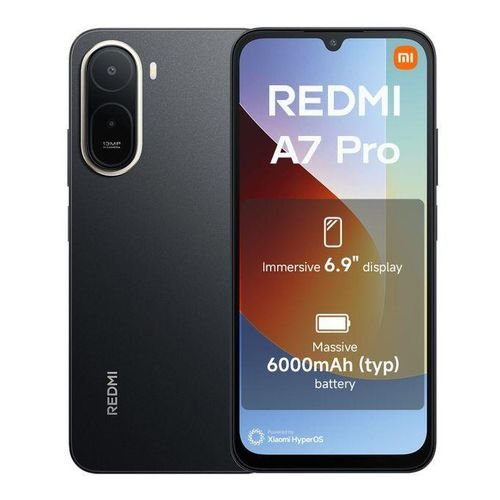
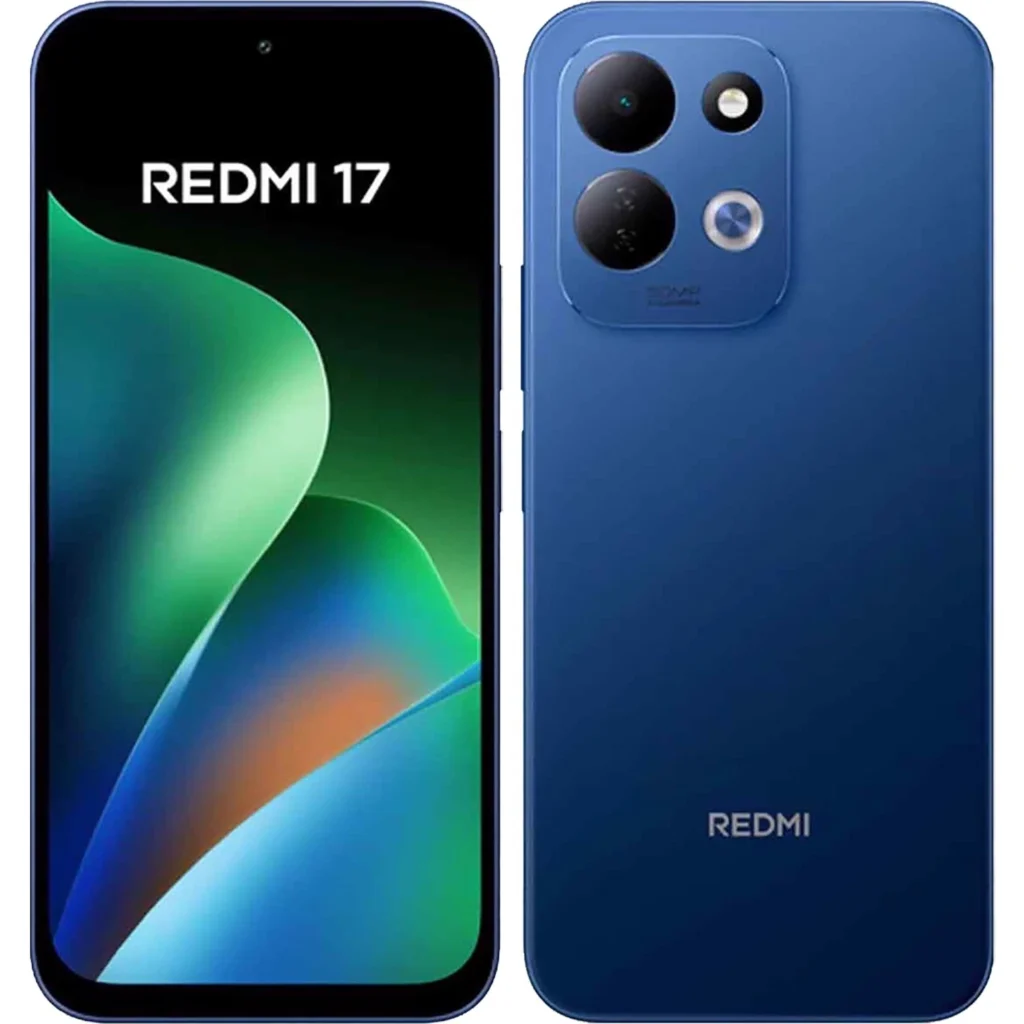
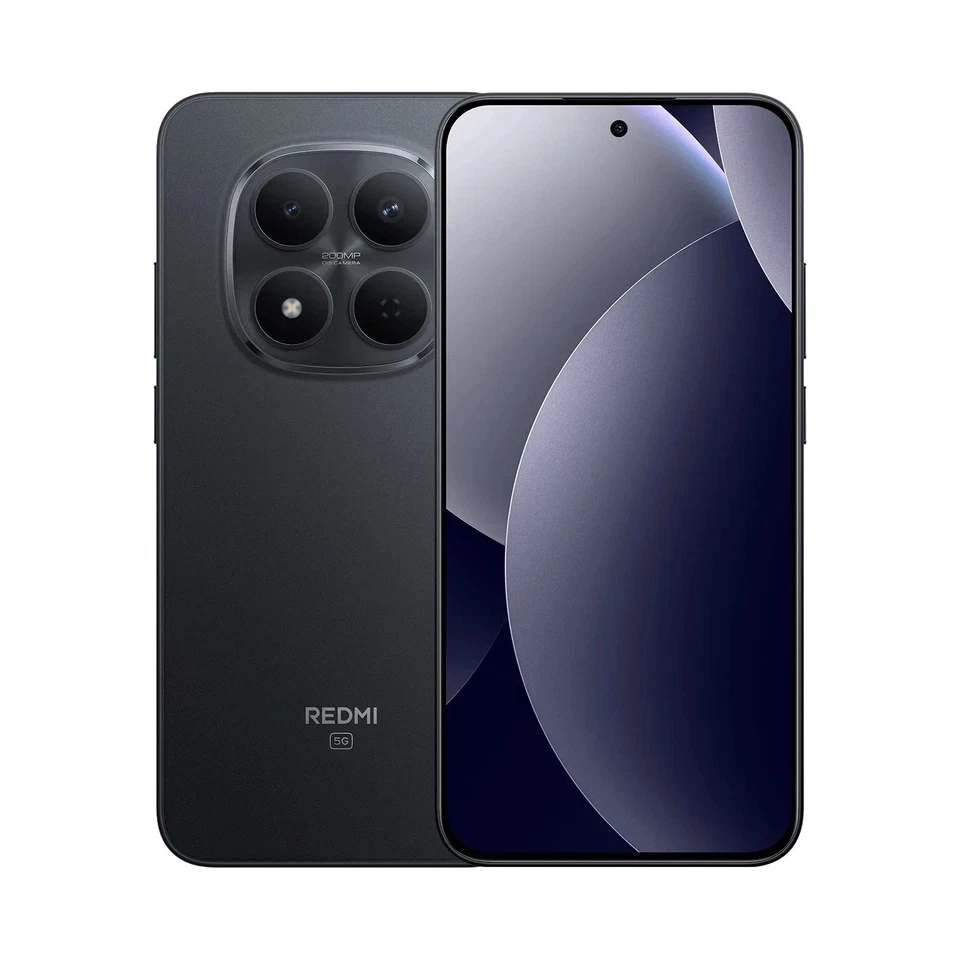
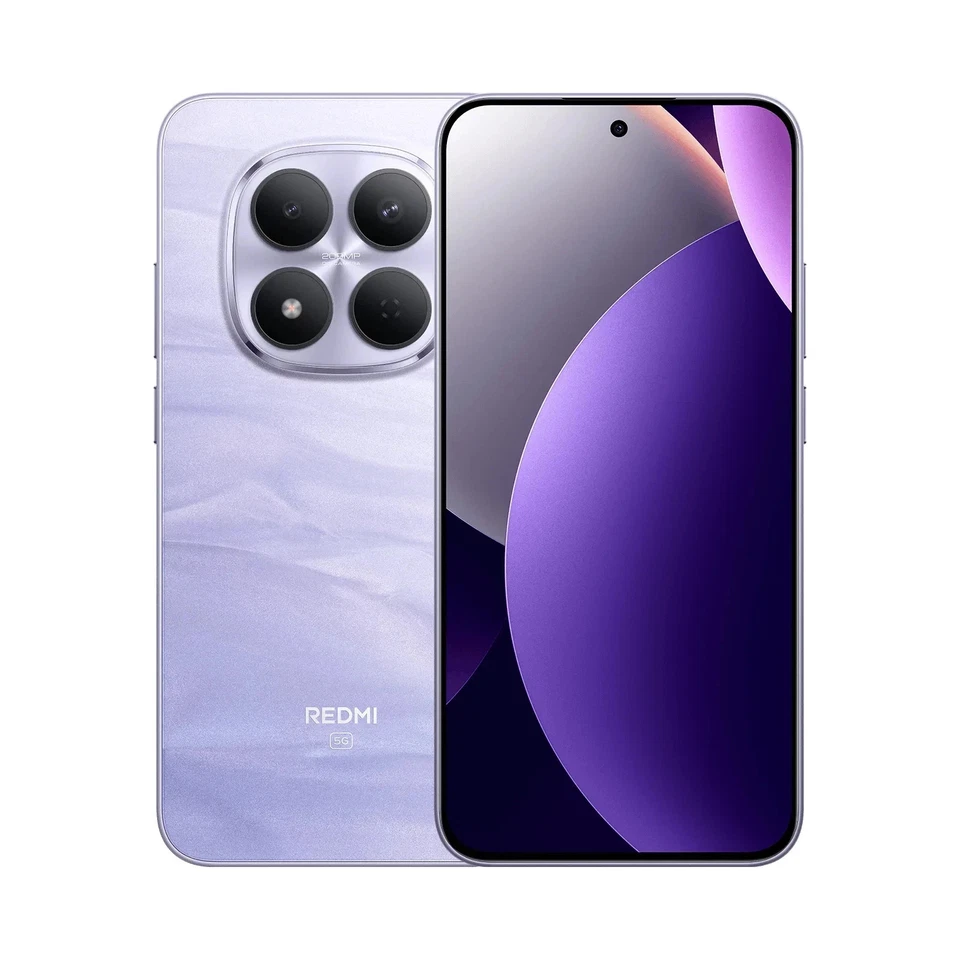
Xiaomi has a broad range of Redmi and Xiaomi devices available through its Nigerian ecosystem. The current Nigerian lineup includes models such as the Redmi 14C, Redmi Note series, Redmi Note 15 Pro, Redmi Note 15 Pro+ 5G, Xiaomi 15T and Xiaomi 17T.
Samsung similarly covers different price segments through its Galaxy A, Galaxy S and Galaxy Z families. The Galaxy A57 5G, for example, targets buyers who want many premium features without moving directly into Samsung’s flagship range.
However, the cheapest phone is not automatically the best value.
When comparing Xiaomi vs Samsung in Nigeria, look at the complete package:
- Processor performance
- RAM and storage
- Display quality
- Camera hardware
- Battery capacity
- Charging speed
- Software support
- Build quality
- Warranty
- Availability of genuine accessories and replacement parts
A phone that costs slightly more but receives longer software support or offers better after-sales service may have a different overall value proposition.
Xiaomi vs Samsung: Performance
Performance varies by model, but both brands offer powerful Android phones.
Xiaomi’s higher-end models use flagship processors, while Redmi devices cover more affordable performance levels. For example, the Xiaomi 15T Pro uses the MediaTek Dimensity 9400+ and combines it with LPDDR5X memory and UFS 4.1 storage. Xiaomi also includes a 3D cooling system designed to help maintain performance during demanding workloads.
Samsung’s Galaxy lineup also spans several performance categories. At the flagship level, the Galaxy S26 family is designed around high-end performance, AI features and advanced camera capabilities.
For Nigerian buyers who play demanding games, edit videos or multitask heavily, the processor should therefore be one of the first things to compare.
Do not choose a phone simply because it has more RAM. The processor, storage technology, cooling system and software optimization also influence real-world performance.
Xiaomi vs Samsung: Camera Quality
Camera performance is another major difference between individual models.
Xiaomi has invested heavily in smartphone photography. Some of its premium models use Leica-branded imaging systems. The Xiaomi 15T Pro, for example, features a Leica triple-camera system with a 5x telephoto camera and a 50MP main camera with optical image stabilization.
Xiaomi’s Redmi range also offers impressive camera hardware at lower price points. The Redmi Note 15 Pro features a 200MP main camera with OIS, while the Redmi Note 15 Pro+ 5G combines a 200MP OIS main camera with an 8MP ultra-wide camera.
Samsung approaches smartphone photography differently across its Galaxy lineup. The Galaxy A57 5G, for example, has a 50MP OIS wide camera, 12MP ultra-wide camera and 5MP macro camera. Samsung also highlights software features such as Object Eraser and Best Face on the device.
For photography, compare the actual phone rather than simply comparing megapixel numbers.
Sensor size, stabilization, image processing, lens quality, low-light performance and video recording can matter more than the headline megapixel figure.
Xiaomi vs Samsung: Display Quality
Both companies offer excellent displays, although the exact experience depends on the model.
Xiaomi’s midrange and premium phones increasingly feature high-refresh-rate AMOLED panels. The Redmi Note 15 Pro+, for example, has a 6.83-inch CrystalRes AMOLED display with a 120Hz refresh rate, 1.5K resolution and up to 3200 nits peak brightness.
Samsung also has extensive experience with AMOLED smartphone displays. Its Galaxy A57 5G uses a 6.7-inch FHD+ Super AMOLED Plus display, while the Galaxy S family moves into more advanced flagship display technology.
If you frequently watch Netflix, YouTube, TikTok or football highlights on your phone, pay attention to:
- AMOLED or OLED technology
- Refresh rate
- Peak brightness
- Resolution
- HDR support
- Outdoor visibility
- Screen protection
A brighter display can be particularly useful when using a phone outdoors in Nigeria’s strong sunlight.
Xiaomi vs Samsung: Battery Life and Charging
Battery life is important for Nigerian smartphone users who may spend long periods away from a charger.
Xiaomi frequently emphasizes large batteries and fast charging. The Redmi Note 15 Pro+ 5G, for example, has a 6500mAh battery and 100W HyperCharge.
The Redmi Note 15 Pro also packs a 6500mAh battery, although its charging system is rated at 45W.
Samsung takes a different approach on many Galaxy devices. The Galaxy A57 5G uses a 5000mAh battery and supports Super Fast Charging 2.0, with Samsung advertising up to 60% charge in 30 minutes under its specified conditions.
This means Xiaomi can be particularly interesting if fast charging is a priority. Samsung remains relevant for buyers who place greater emphasis on the overall Galaxy experience, battery optimization and long-term software support.
Xiaomi vs Samsung: Software Experience
Xiaomi smartphones use HyperOS, while Samsung Galaxy phones use One UI.
Xiaomi’s current ecosystem is moving toward HyperOS 3, with the company highlighting improved user experience and connectivity across its devices.
Samsung’s One UI is built around the Galaxy ecosystem and increasingly integrates AI-powered features. Samsung’s current Galaxy devices also emphasize Galaxy AI and connected experiences across compatible devices.
The difference is largely about preference.
Some users may prefer Xiaomi’s customization options and ecosystem approach. Others may prefer Samsung’s One UI design, Galaxy ecosystem and software support strategy.
Before buying, try both interfaces if possible. Your daily experience with the software can matter more than a small difference in benchmark scores.
Xiaomi vs Samsung: Software Updates and Longevity
Long-term software support has become an increasingly important reason to compare smartphone brands.
Samsung is particularly explicit about long-term support on some newer Galaxy devices. Samsung states that the Galaxy A57 5G receives up to six OS upgrades and six years of security updates.
Xiaomi’s update policies vary by model and market, so buyers should check the exact support commitment for the phone they intend to purchase.
This is important because a smartphone is no longer just a device you replace after one or two years. A longer support period can help keep your phone secure and compatible with newer applications for longer.
Xiaomi vs Samsung for Gaming
For mobile gaming, compare the individual processors, cooling systems, display refresh rates and battery capacity.
Xiaomi offers several performance-focused devices, including models in the Xiaomi T and POCO families. The Xiaomi 15T Pro, for example, combines a Dimensity 9400+ processor with a 144Hz display and a dedicated cooling system.
Samsung also offers high-performance Galaxy S models, while some Galaxy A devices target users who want a balance between everyday performance and gaming.
If gaming is your priority, pay attention to sustained performance rather than peak benchmark numbers. A phone that maintains performance without excessive heat can provide a better experience during longer gaming sessions.
Xiaomi vs Samsung for Everyday Nigerian Use
For everyday use, consider how you actually use your phone.
If your typical activities include WhatsApp, Instagram, TikTok, YouTube, banking apps, photography, browsing and calls, you may not need a flagship.
A well-equipped midrange phone can handle these tasks comfortably.
Xiaomi’s Redmi range gives buyers several options, including the Redmi Note 15 Pro and Note 15 Pro+ 5G. Samsung’s Galaxy A range provides another route for buyers who want a more affordable Galaxy experience.
For Nigerian buyers, also consider dual-SIM support, 4G/5G compatibility, battery capacity, storage and local network-band compatibility.
Xiaomi vs Samsung: Durability
Durability is another area where specifications matter.
The Redmi Note 15 Pro+ 5G has IP66, IP68, IP69 and IP69K ratings under Xiaomi’s stated laboratory conditions. The company also specifies Gorilla Glass Victus 2 protection.
Samsung’s Galaxy A57 5G has an IP68 rating and uses Gorilla Glass Victus+ according to Samsung.
However, water-resistance ratings are not a guarantee against every type of liquid damage. Daily wear, drops and physical damage can also affect a phone’s resistance.
For Nigerian buyers, a protective case and screen protector remain worthwhile regardless of the brand.
Xiaomi vs Samsung: Which Should You Buy in Nigeria?
Instead of asking which brand is universally better, start with your priorities.
Choose Xiaomi if you prioritize:
- Fast charging
- Large battery capacities
- Strong specifications for the price
- High-refresh-rate displays
- Camera-focused hardware
- Redmi’s wide range of price points
- Performance-focused Xiaomi and POCO models
Consider Samsung if you prioritize:
- One UI
- Galaxy ecosystem integration
- Long-term software support on eligible models
- Galaxy AI features
- Samsung’s established Galaxy product range
- Premium Galaxy S and Z devices
- A broad selection of Galaxy A models
These are not absolute rules. A specific Samsung can be a better fit than a specific Xiaomi, and the reverse can also be true.
What About Xiaomi and Samsung Flagships?
At the premium end, the comparison becomes more specialized.
Xiaomi’s premium portfolio includes models such as the Xiaomi 15T and newer Xiaomi 17T series. Xiaomi says the 17T series introduces a 5x Leica telephoto system and is available through its Nigerian ecosystem.
Samsung’s premium portfolio includes the Galaxy S26 series and newer Galaxy Z foldables. Samsung’s African lineup currently features the Galaxy S26 Ultra alongside the Galaxy Z Fold8 and Galaxy Z Flip8.
At this level, buyers should compare exact models based on camera performance, processor, display, battery, charging, software support, ecosystem features and price.
What Nigerian Buyers Should Check Before Paying
Whether you choose Xiaomi or Samsung, take a few minutes to verify the phone before completing your purchase.
Check:
- Exact model number – Make sure the advertised model matches the device.
- RAM and storage – Confirm the exact configuration.
- Network compatibility – Check 4G and 5G bands where relevant.
- Warranty – Understand who provides the warranty and where service is available.
- IMEI – Confirm the device information and packaging match.
- Accessories – Check whether the charger and other accessories are included.
- Software region – Make sure the device is intended for the market you are buying for.
- Current price – Nigerian smartphone prices can change with exchange rates, promotions and stock levels.
Xiaomi, for example, provides Nigeria-specific support and warranty information through its official Nigerian website. Some 2026 Xiaomi promotions and after-sales offers are also specifically tied to purchases through official channels.
Final Thoughts
The Xiaomi vs Samsung comparison does not have one answer that applies to every Nigerian smartphone buyer.
Xiaomi offers a broad portfolio with Redmi, Xiaomi and POCO devices, strong charging technologies, large batteries and increasingly sophisticated camera and performance hardware. Samsung offers Galaxy A, S and Z devices with a strong ecosystem, One UI, Galaxy AI features and clearly defined long-term software commitments on some newer models.
The right choice depends on your budget and priorities.
Before buying, compare the exact Xiaomi and Samsung models available at your price point. Look beyond megapixels and processor names. Consider the display, battery, charging, cameras, software support, warranty, network compatibility and total ownership experience.
Most importantly, verify the current Nigerian price, stock availability, warranty and specifications before placing your order, because smartphone models and retail conditions can change.
For shoppers comparing the latest smartphones in Nigeria, Anora Express provides a convenient place to explore available phones and gadgets before making a purchase.
Both manufacturers customize the core Android operating system with their own unique user interfaces to differentiate their devices.